Why Surface Design Show is worth your time
If you’re renovating (or even just planning), seeing real samples beats scrolling especially for colour, texture, reflectivity and scale.
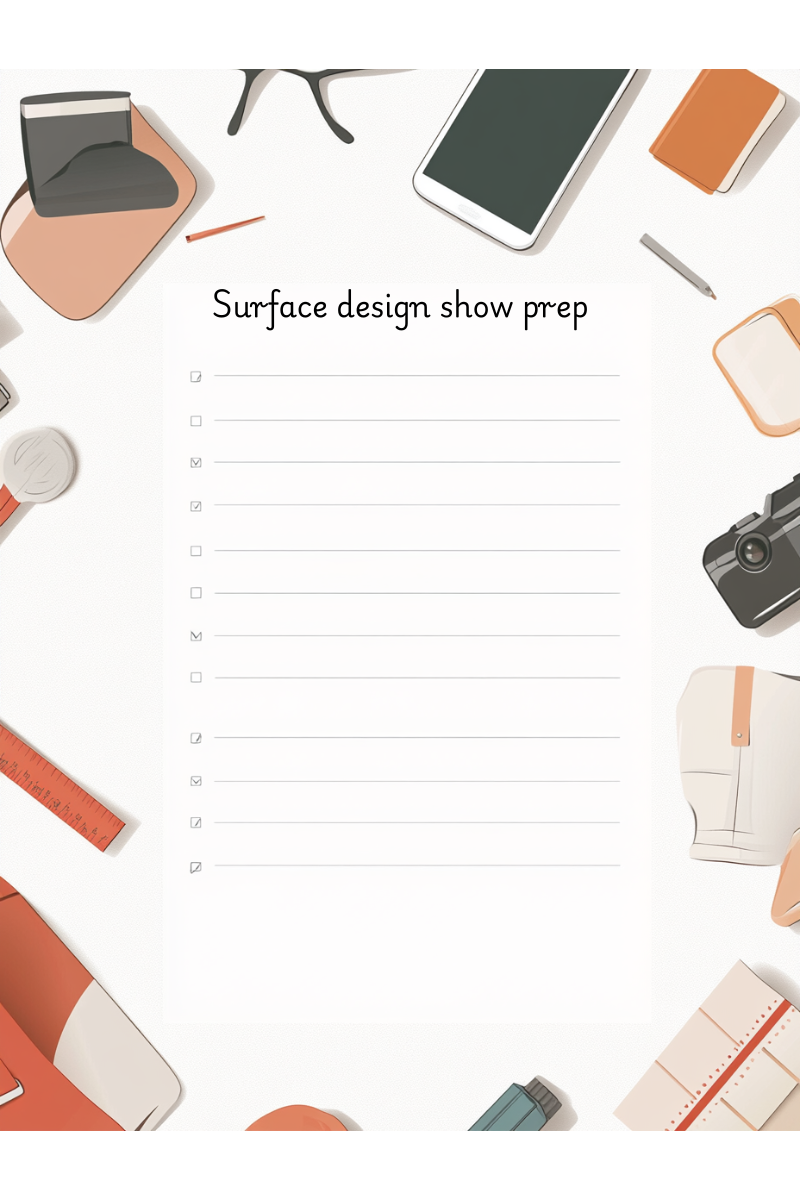
Before you go: 5 things to do so the day pays off
1) Decide your project “focus”
Pick one:
-
kitchen surfaces
-
bathroom surfaces
-
hallway flooring
-
living room feature wall / cladding
-
full-home material palette
You’ll make better choices if you know what you’re shopping for.
2) Save your room measurements (and a couple of photos)
Have these on your phone:
-
room dimensions
-
ceiling height (if you’re looking at wall finishes)
-
a few photos of the space at different times of day
3) Set a “must-see” shortlist
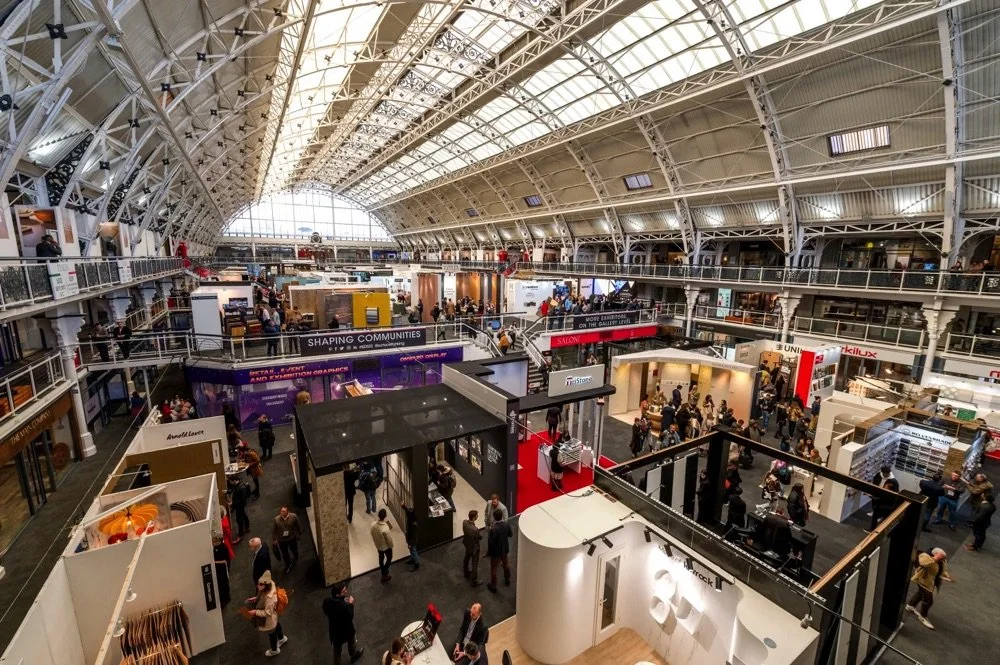
The show highlights returning features such as Surface Spotlight, Innovation Gallery, Green Grads, Stone Tapestry and the Surface Design Awards—build your route around those first.
4) Pack like a designer
-
tote bag or sample pouch
-
notebook + pen (or Notes app template)
-
tape measure (or a phone measure app)
-
a couple of your home’s paint/fabric swatches if you have them
5) Make a decision filter (so you don’t impulse-love everything)
For each material you like, ask:
-
Where would it go in my home?
-
What will it be next to? (worktop, paint colour, flooring)
-
How will it wear? (kids, pets, water, heat, cleaning)
What to look out for at SDS26: the “big three” surface directions
The show itself flags a wide range of interior and exterior surface materials—so use these themes to keep your eyes sharp.
1) Statement stone and “stone-look” surfaces
Stone is still dominating kitchens and bathrooms, but the shift is toward:
-
more characterful veining
-
softer honed/matte finishes
-
bolder slab choices used in smaller doses (splashbacks, niches, furniture tops)
2) Architectural cladding as a shortcut to “finished”
If you want a room to feel designed (not just decorated), cladding and wall surfaces do heavy lifting:
-
fluted / ribbed textures
-
3D surfaces
-
material mixes (wood + metal, stone + plaster tones)
3) Sustainability and circularity you can actually specify
Look for:
-
recycled-content surfaces
-
low-impact production
-
products designed for repair/re-use
-
“waste as material” thinking (also echoed in the programme themes).
How to walk the show like a pro (and avoid overwhelm)
Start with the “feature” zones
Hit the curated zones early (when your brain is fresh), then do exhibitor aisles.
Use the “three-photo rule”
For every standout product, take:
-
the surface close-up
-
the surface in context (wall/floor mock-up)
-
the label/brand/contact details
Ask these 6 questions at stands
-
Is it suitable for kitchens/bathrooms?
-
What’s the maintenance like (stains, etching, sealing)?
-
Lead times + minimum order?
-
Installation requirements (specialist fitter, substrate, adhesives)?
-
Can I get a sample?
-
What’s the best real-life project example you’ve seen?
Turning inspiration into a real home plan (this is where most people get stuck)
The common post-show problem: you fall in love with five different “hero” materials that don’t belong in the same room.
The fix is simple: build a materials palette around your layout and light.
-
One hero surface (e.g., stone splashback)
-
One grounding surface (e.g., warm floor tone)
-
One accent finish (e.g., metal detail)
If you want support pulling your finds into a cohesive plan, this is exactly what our space planning and room makeover approach is for—so you don’t buy beautiful things that don’t quite work together in your actual room. (You can explore Studio Akiva here.)
Book a free discovery call about your project →
Explore our room makeover packages from £320 →