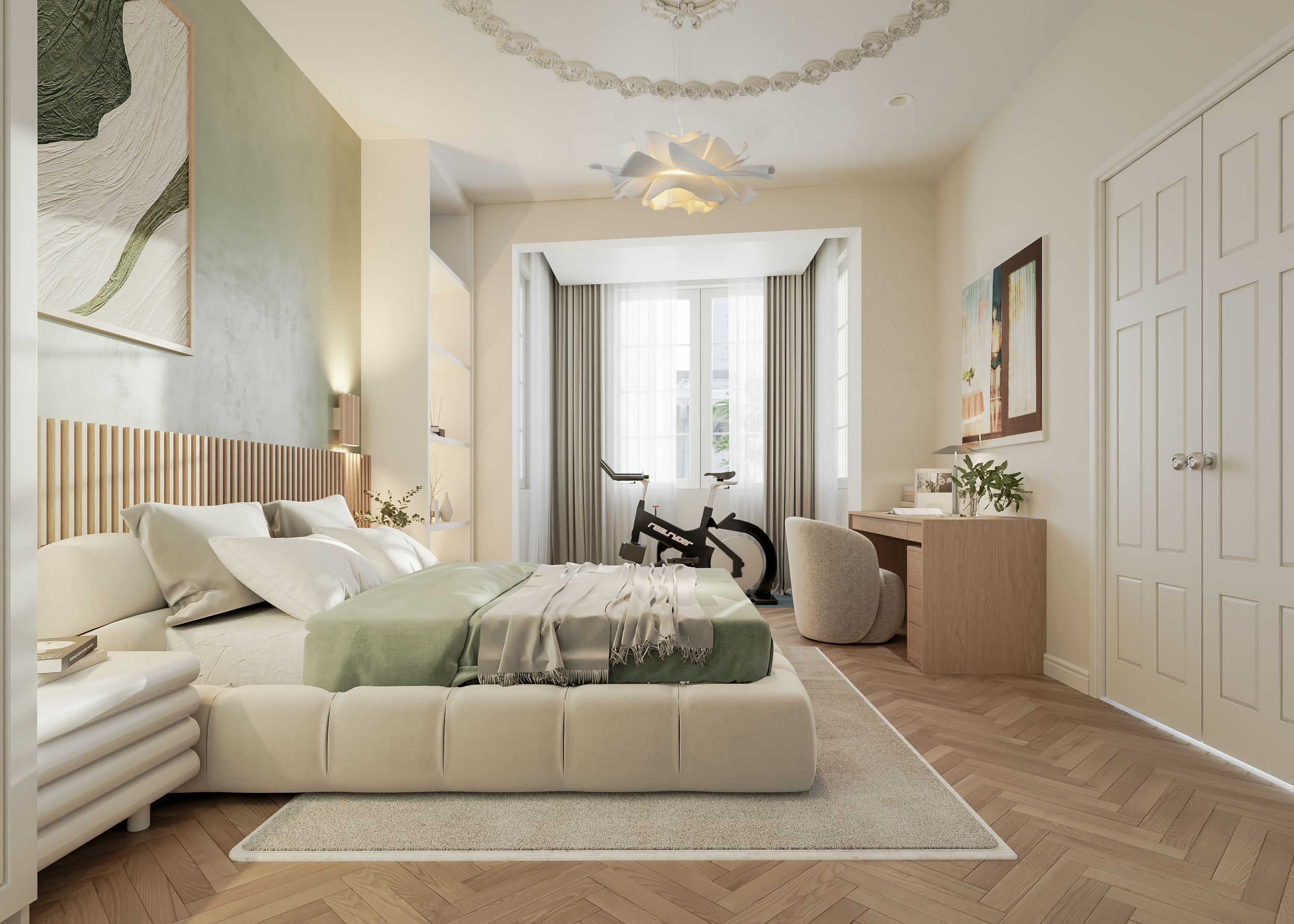
3D Rendering
High visual CGI for your Home Interiors
Before you commit, or after you've decided
Most people come to a render at the end, once a design is finished and there's an order to place. That's the common route and a sensible one. It also works at the other end, as a way of seeing a concept before committing to anything larger. Neither is the right answer in general, it depends on what you're trying to settle.
Before the design
Some clients prefer to see a concept first: look at the room as they've imagined it, agree a direction, and only then commit to a full design and a furniture budget. It suits people who find it hard to picture a scheme from plans, or who want confidence before spending more.
After the design
The more common route. You have plans, elevations and a shopping list, and want to see it properly before ordering. Particularly worthwhile when there's a large furniture spend ahead, or one expensive piece you need to be certain about.
The questions a plan can't settle
- Is that sofa too big?Furniture is shown in showrooms far larger than the room it's going into, so it consistently looks smaller than it will at home. A render puts it in your room, at your ceiling height, against your window.
- Is this one piece worth the money?If a single item accounts for a large part of the budget, seeing it in place beforehand is considerably cheaper than discovering it was wrong after delivery. Returning a large sofa can cost hundreds before you've replaced it.
- Do we actually agree?Two people can read the same mood board and picture different rooms. A render is a single image both of you are looking at, which tends to settle a disagreement faster than another conversation.
- Will it work at night?A scheme that reads beautifully in daylight can fall flat under lamps. Renders can be lit to show the room as it will be at the time you actually use it.
- How does it read from the door?Plans are drawn from above. Nobody experiences a room from above. A render shows it from standing height, which is the only view that matters.
- Can my builder see what I mean?A render travels well. Handed to a contractor or joiner, it communicates intent in a way that drawings alone sometimes don't.
How close to reality do you need it?
Both levels are priced per room. The difference is how faithfully the actual pieces you're buying are reproduced, which comes down to the software and the modelling time behind them.
Concept render
For seeing how the room feels: proportions, layout, light, colour and the general character of the pieces.
- Accurate to the room and the layout
- Furniture shown as close visual equivalents rather than exact models
- Right for the early stage, before final pieces are chosen
- Right for agreeing a direction quickly
Specification render
For seeing the actual pieces you intend to buy, modelled as closely as the source material allows.
- Specific products modelled to match, not approximated
- Materials and finishes reproduced faithfully
- Right when a large or expensive order rests on the answer
- Right for bespoke joinery you cannot see anywhere else
Existing and returning clients receive 5% off rendering. If you've worked with us before, or have a project running now, mention it when you get in touch and we'll apply it.
No render is a photograph of a room that doesn't exist yet. Screens vary, fabrics behave differently in daylight, and a manufacturer's own images aren't always accurate either. A concept render gets you close enough to judge the scheme. A specification render gets you close enough to commit to the order. We'll tell you honestly which one your project needs, and if the cheaper one will do, we'll say so.
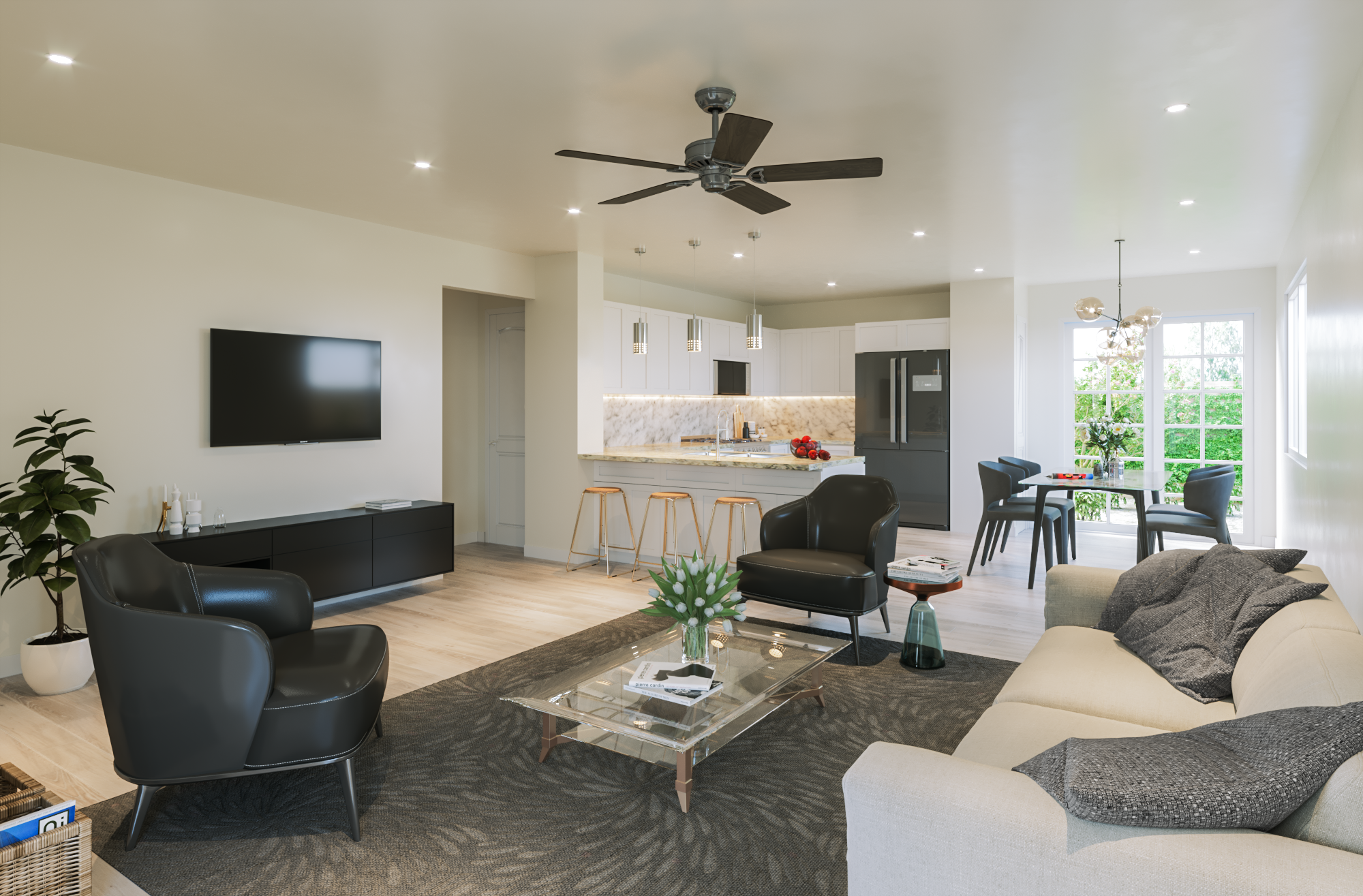
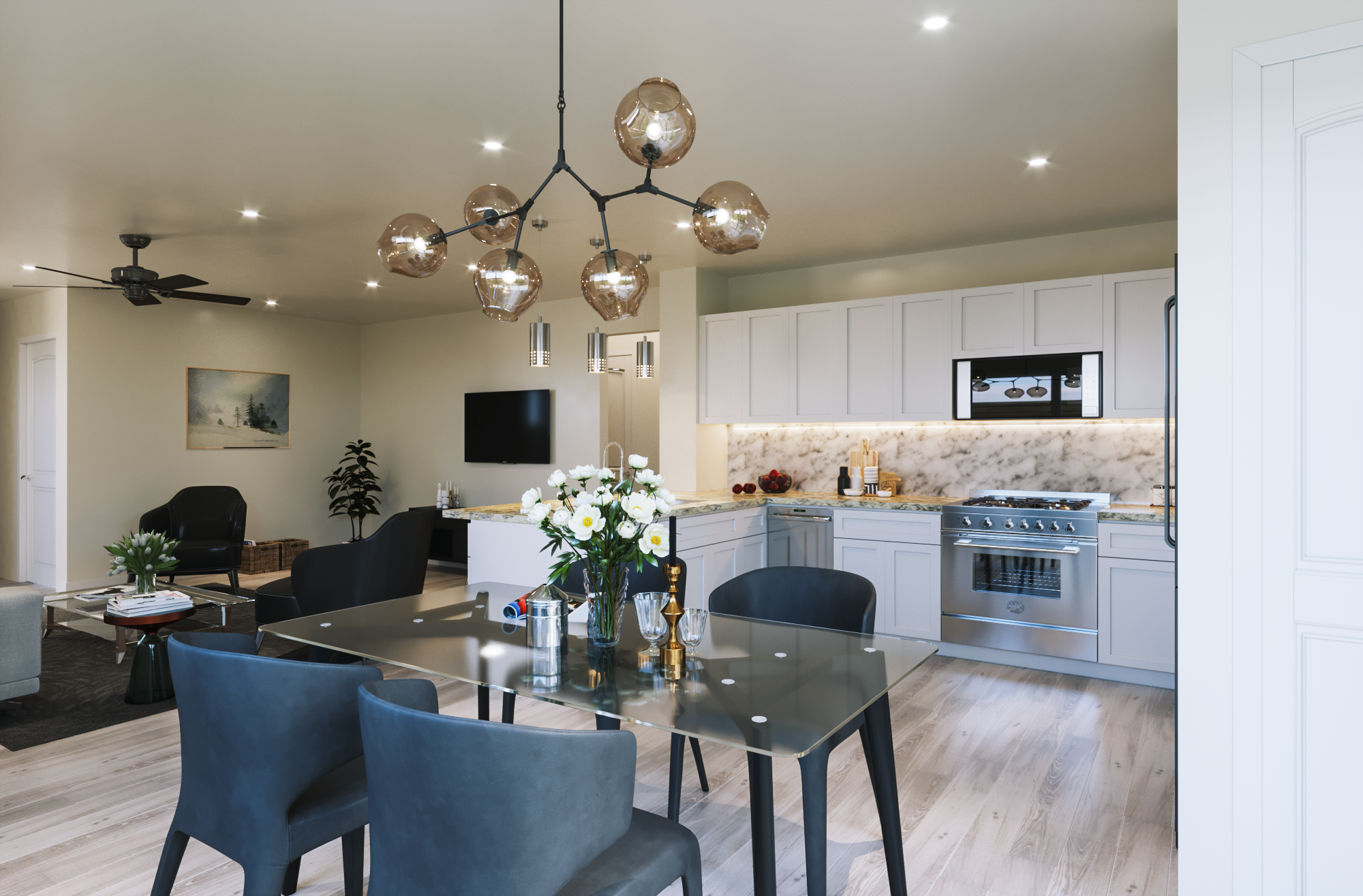
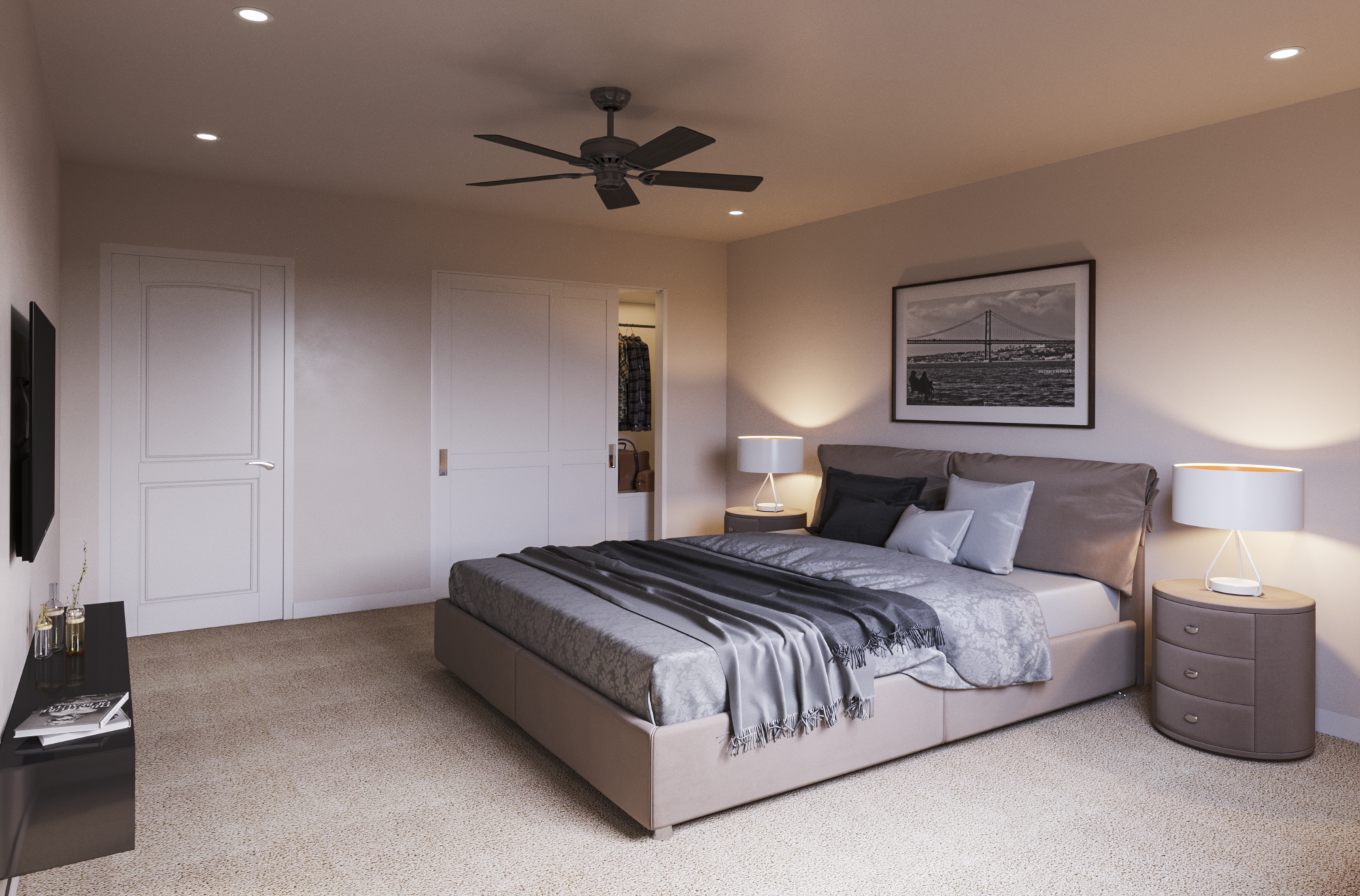
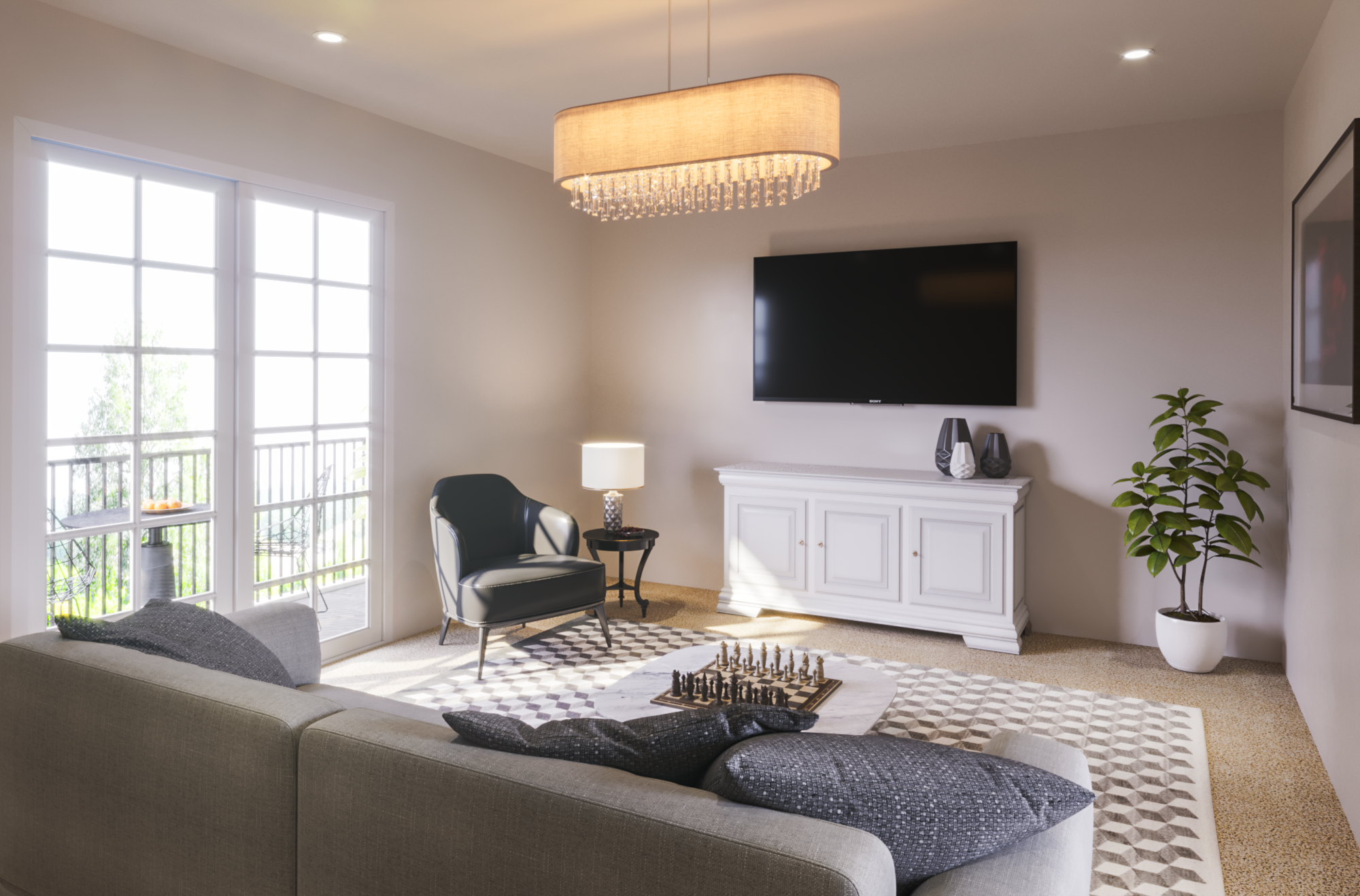
Rooms we've rendered
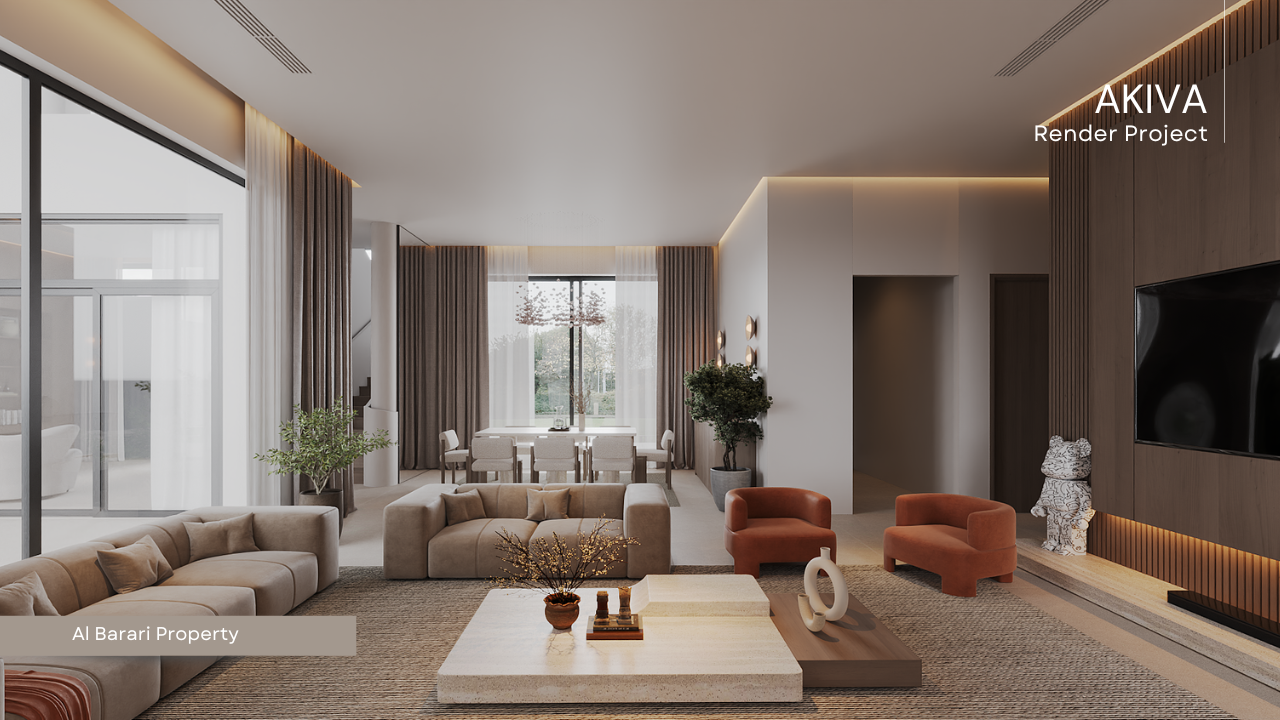
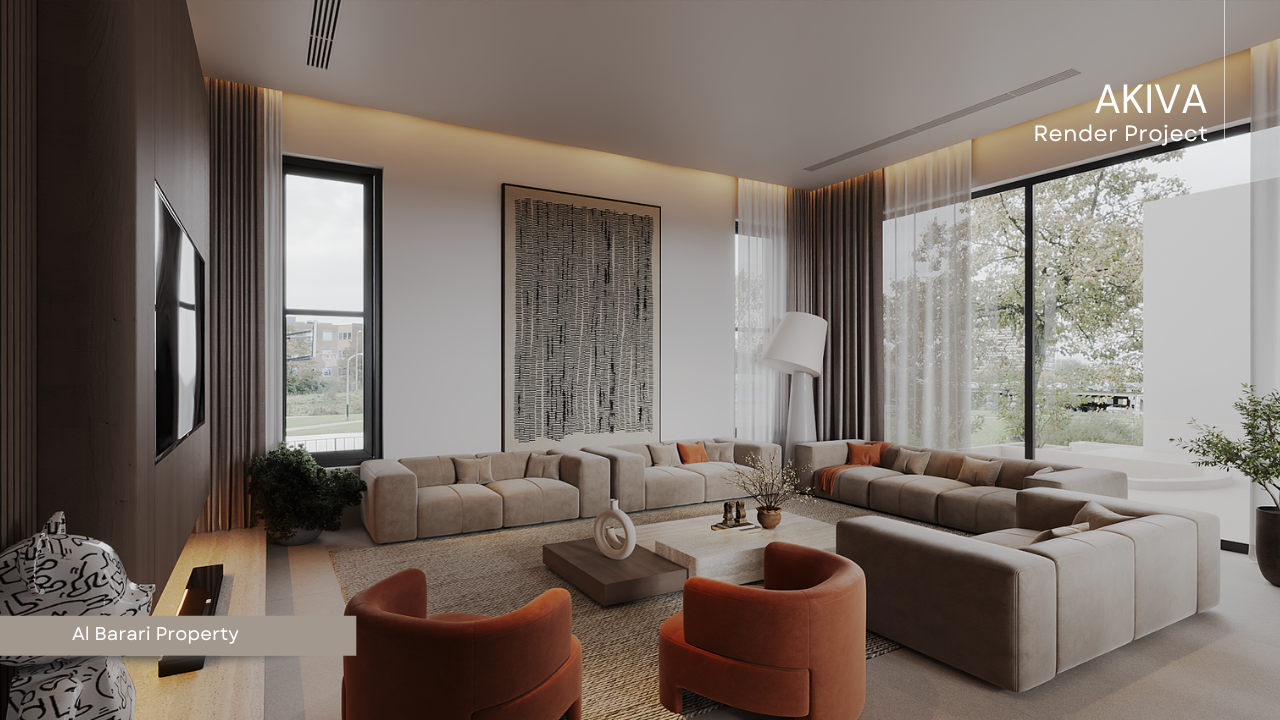
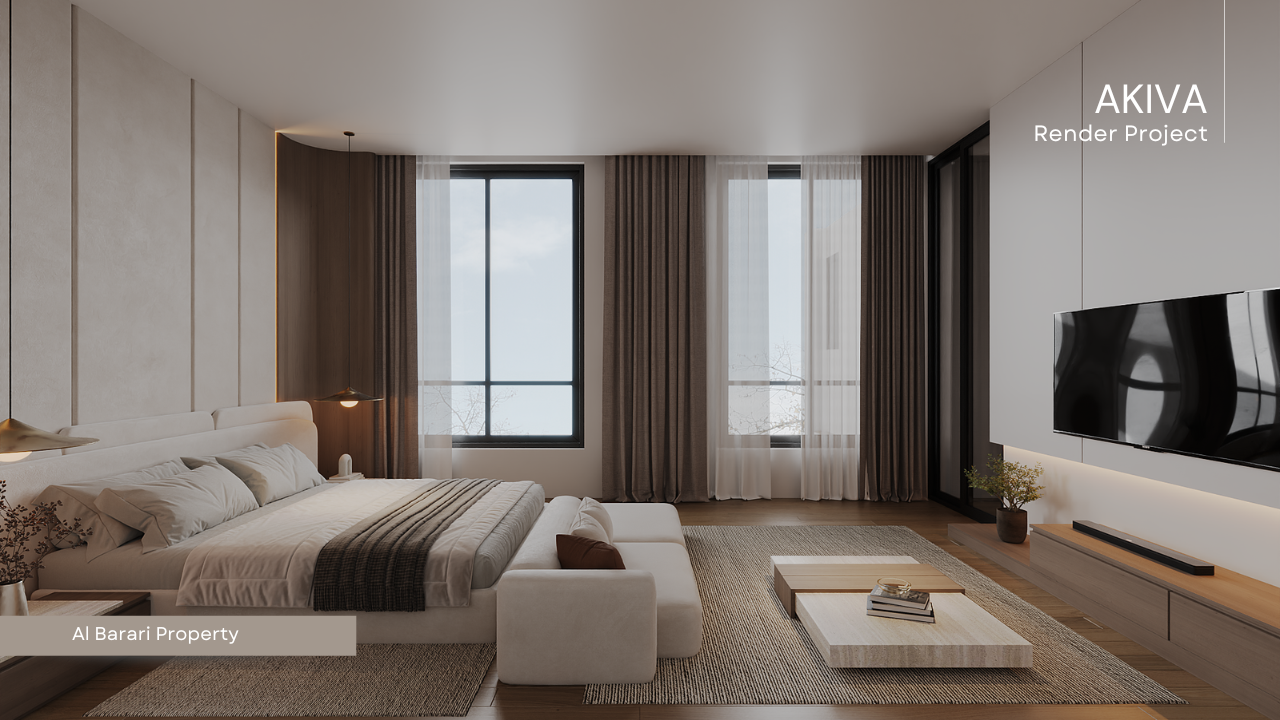
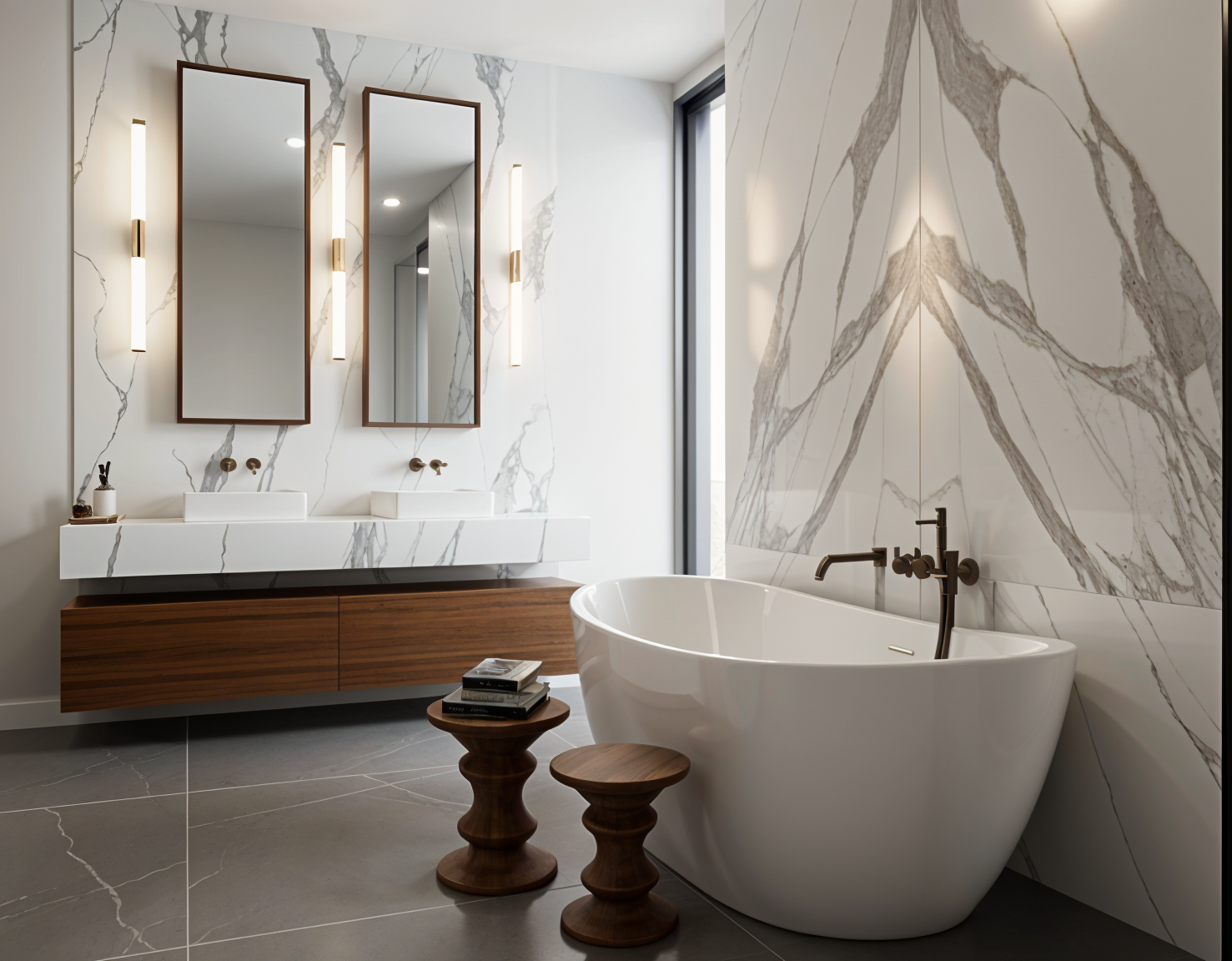
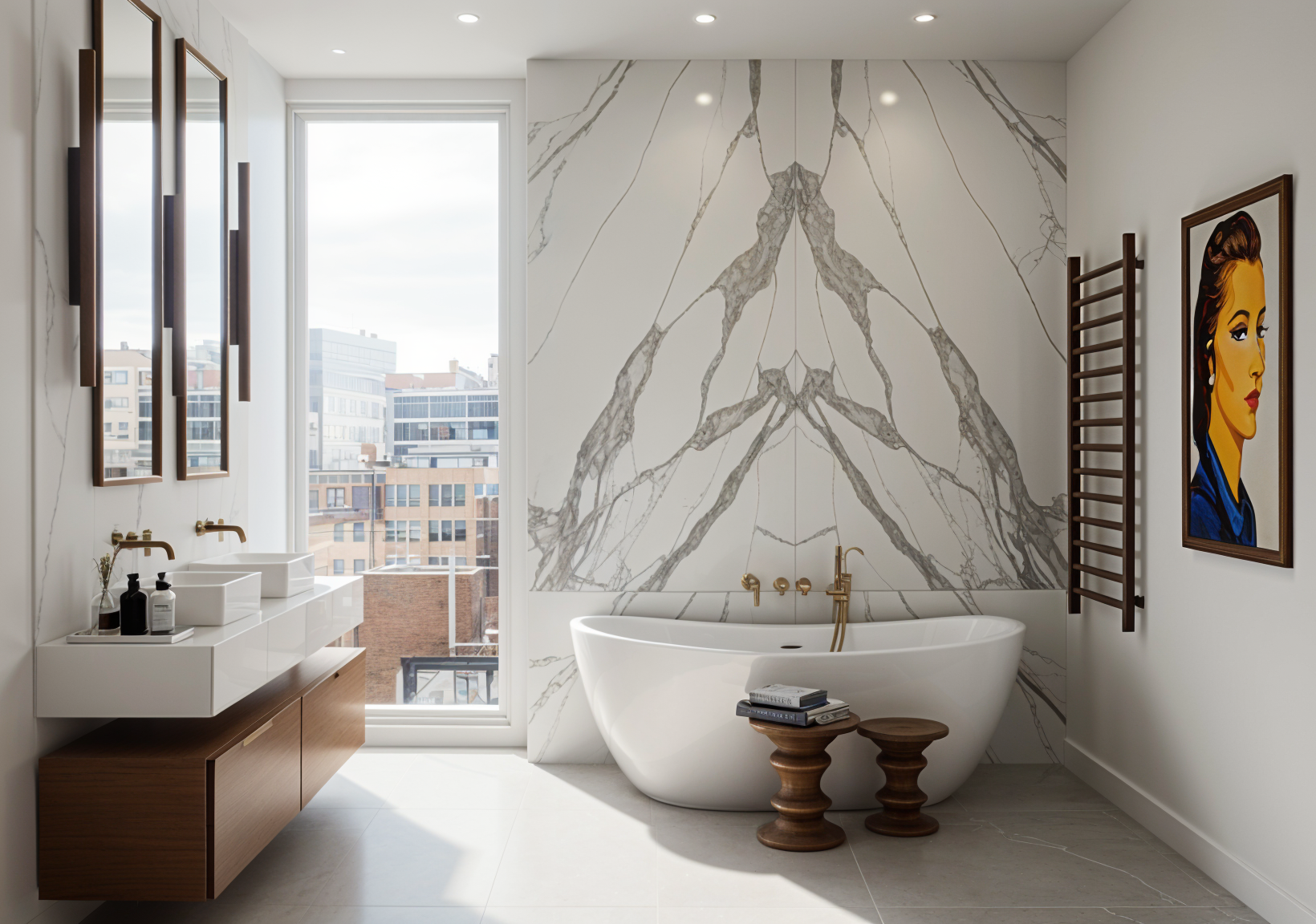
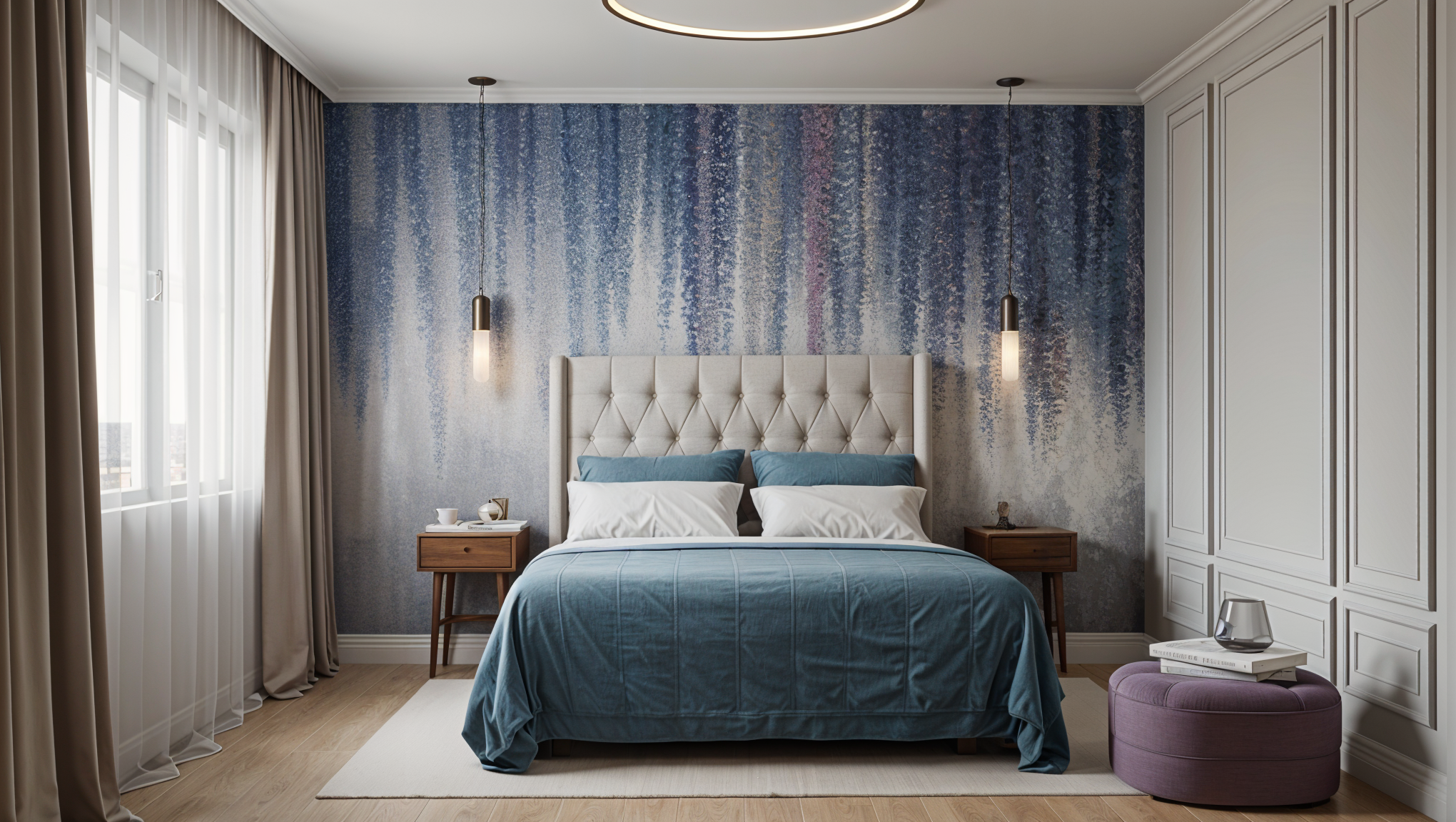
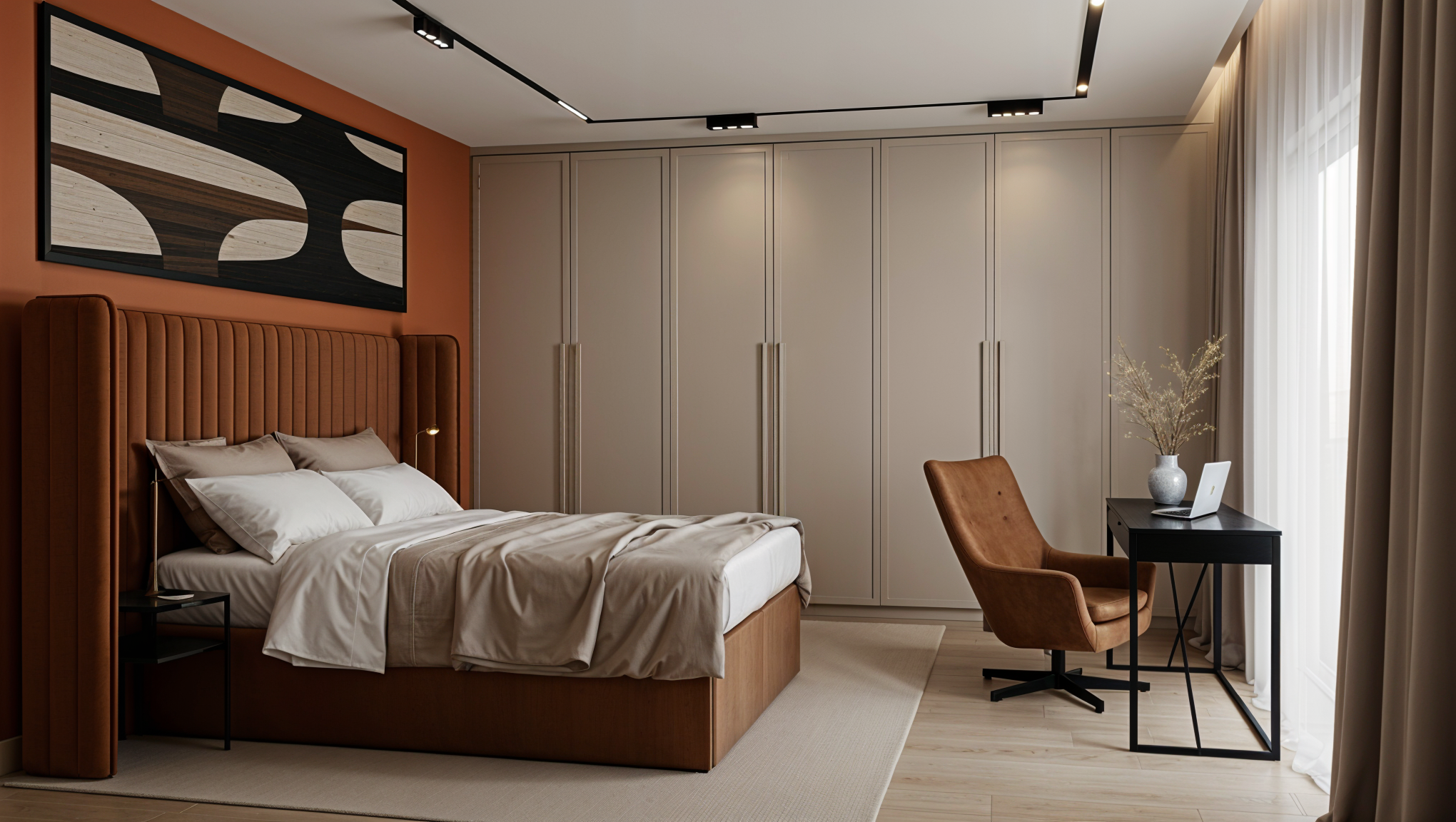
Every image below was built from a real set of measurements for a real room, then populated with pieces the client could actually order. Look at the proportions and the light rather than the styling, that's what a render is for.
Useful for mood, not for ordering
It has never been easier to generate a beautiful image of a room, and we'd encourage you to. For gathering direction and working out what you're drawn to, AI tools are genuinely good and cost nothing. What they cannot do is the part that matters once money is involved.
An AI image shows a room
- Not your room. It doesn't know your dimensions, ceiling height or where the window falls
- The furniture in it doesn't exist and cannot be bought
- Generate it again and you get a different room, so nothing is consistent
- Proportions drift, and details are invented to look plausible rather than to be right
A render shows your room
- Built to your measurements, at your ceiling height, with your windows where they are
- The pieces are real products you can go and order
- Consistent, so you can compare options against the same space
- Accurate enough to commit a furniture budget to, and to hand to a joiner
You cannot place an order from an AI image. That's the whole distinction. It will show you a sofa that looks wonderful, and no shop on earth sells it. A render answers a narrower question than "what might this look like", which is "will this specific sofa, in this specific room, at this price, actually work". Use AI for inspiration by all means. Use a render for decisions.
You don't have to be a client already
Anyone can commission a render, whether you've worked with us before or not. What we do need is something accurate to build from: a floor plan, an architect's drawing, or measurements you've taken yourself, along with photos of the space. If you have a scheme in mind, send that too, whether it's a full specification or a folder of images you like.
If you don't have measurements, we can take them. A site visit is quoted separately depending on location, and for renders it matters more than people expect, since a render built on a wrong dimension looks entirely convincing and is entirely wrong.


Nobody experiences a room from above
A floor plan is drawn looking straight down, which is the one view of your home you will never have. It is excellent for working out whether things fit and hopeless for working out how they feel. That gap is why people who read plans perfectly well still get a surprise on delivery day: the plan was right, and the room still isn't what they pictured. A render is simply the same information shown from standing height, at eye level, from the doorway you actually walk through. Most of what people call visualisation is really just that change of viewpoint.
From measurements to images
Services people often pair with this
Interior Design
A render before the design agrees the direction cheaply. A render after it confirms the scheme before you order. Either way the two work together, and Premium and Deluxe already include 2D colour plans and elevations if that's enough for you.
Room makeover packagesFurniture Design
Bespoke joinery is the one thing you cannot go and look at anywhere. A render is the only way to see a piece that doesn't exist yet before committing to having it built.
Custom furniture designWhat people usually ask before booking
Do I need to have worked with you before?
No. Anyone can commission a render. What we need is something accurate to work from, a floor plan, architect's drawings or your own measurements, together with photos of the space. If you've already had a design done elsewhere, we can render that.
Should I get a render before or after the design?
Both work, for different reasons, and most clients come to it after. That's when you have a scheme developed and a large order about to be placed, and want to be certain before committing. Coming to it first is less common but suits people who struggle to picture a room from plans, or who want to agree a direction before spending more. If you're undecided, tell us where you are and what you're contemplating spending, and we'll give you an honest view.
How is it priced?
Per room, at one of two levels. The difference between them is how faithfully the actual pieces are reproduced rather than the quality of the image itself.
What's the real difference between the two levels?
A concept render is accurate to your room, your layout and your light, with furniture shown as close visual equivalents. A specification render models the actual products you intend to buy, with their real materials and finishes. The second takes considerably more modelling time and different software, which is what accounts for the difference in cost. If you're still deciding on pieces, the concept level is usually the sensible one.
Why not just use an AI image generator?
For gathering inspiration, do. They're free, they're quick and they're genuinely good at showing you what you're drawn to. The limit is that an AI image shows a room, not your room: it has no idea of your dimensions, your ceiling height or where your window sits, and the furniture in it doesn't exist and can't be ordered. Generate it twice and you'll get two different rooms. A render is built to your measurements and populated with products you can actually buy, which is what makes it something you can place an order from rather than something you can only admire.
Will the render look exactly like the finished room?
Close, but no render is a photograph of something that doesn't exist yet. Screens vary in how they show colour, fabrics behave differently under real daylight, and manufacturers' own images aren't always accurate to begin with. What a render reliably gets right is scale, proportion, layout and the relationship between pieces, which is where most expensive mistakes actually happen.
Can you show it lit at night?
Yes, and it's worth asking for. A scheme that works in daylight can read very differently under lamps, and most people spend their evenings in the room rather than their mornings. Tell us at the start and we'll light it accordingly, or show both.
Can I use the images with my builder or joiner?
Yes. The images are yours. Contractors and fabricators often find a render clarifies intent faster than drawings alone, particularly on bespoke joinery where the finished appearance is hard to convey any other way.
What if I don't have measurements?
We can take them. A site visit is quoted separately depending on your location. It matters more for renders than people expect, because a render built on an incorrect dimension still looks completely convincing while being completely wrong.
Is there a discount if I'm already a client?
Yes. Existing and returning clients get 5% off rendering. That covers anyone with a project running with us now, and anyone who has worked with us before, however long ago. Mention it when you get in touch and we'll apply it.
Can I have more than one room rendered?
Yes. Pricing is per room, so several rooms are simply several. Tell us the full scope at the start and your designer will work them together so the images read as one home rather than a set of unrelated pictures.
Not sure whether you need a render, or which level? Book a free discovery call and we'll tell you honestly, including if you don't need one.