Wabi-Sabi Interior Design: The Art of Imperfect Living in Modern Homes
Rooted in Japanese philosophy, Wabi-Sabi embraces imperfection, simplicity, and the natural ageing process of materials. And in 2026, it’s becoming one of the most sought-after interior design styles across Europe.
For homeowners and expats alike, Wabi-Sabi offers something deeper than aesthetics—it creates spaces that feel grounded, calming, and authentically lived-in.
What Is Wabi-Sabi Interior Design?
Wabi-Sabi is centred around three key principles:
-
Imperfection: Celebrating flaws, irregularities, and handmade elements
-
Impermanence: Accepting the natural ageing and weathering of materials
-
Simplicity: Stripping back to essentials and embracing minimalism with warmth
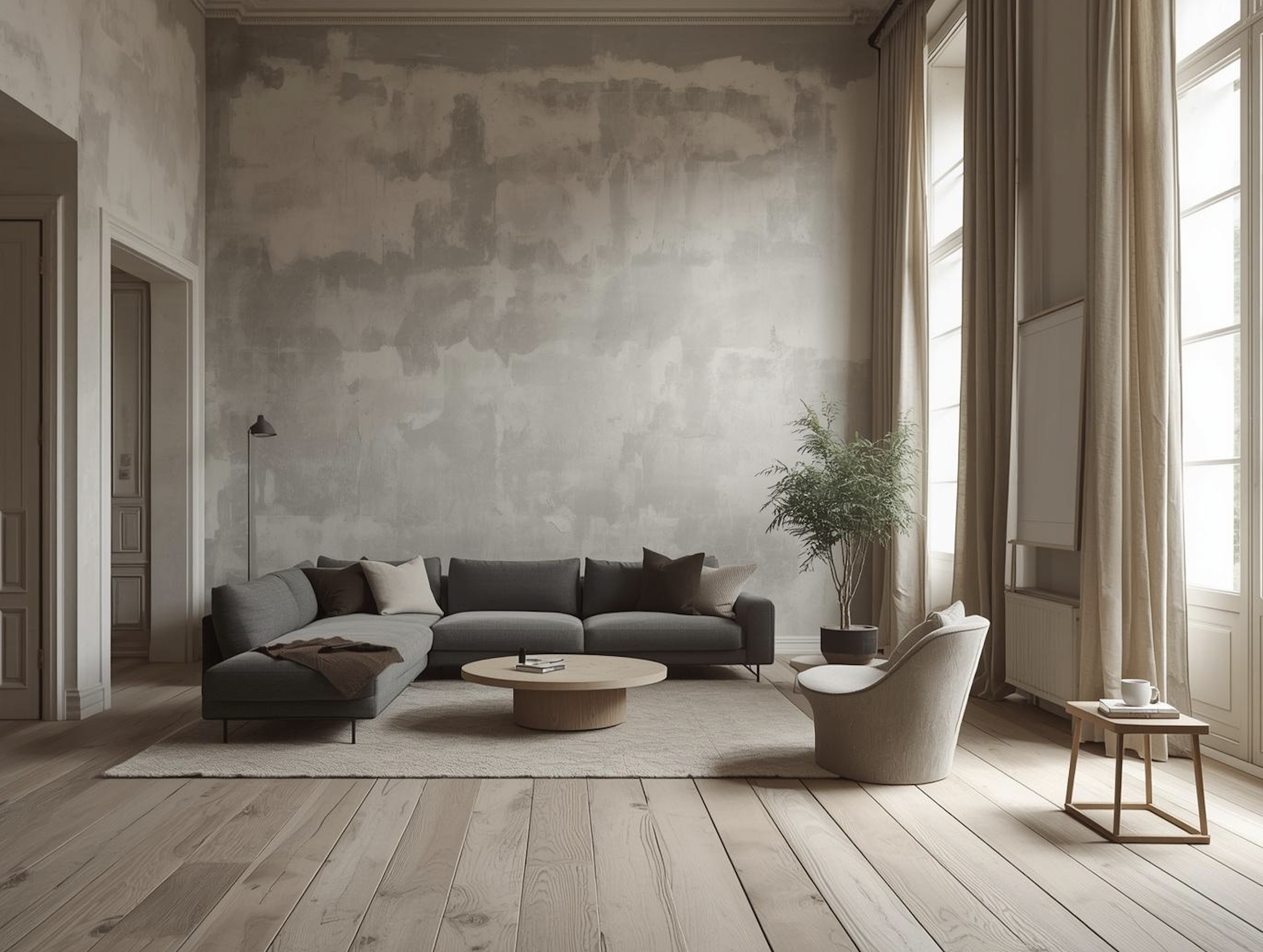
Think raw wood, uneven ceramics, linen textiles, and earthy tones—spaces that feel organic rather than overly styled.
Why Wabi-Sabi Is Trending in Europe
Across countries like Germany, the Netherlands, and Spain, English-speaking homeowners and expats are increasingly searching for:
-
“Minimalist but warm interiors”
-
“Natural home design ideas Europe”
-
“Calming interior design styles 2026”
Wabi-Sabi perfectly answers this demand. It blends seamlessly with European architecture—especially Altbau apartments, canal houses, and Mediterranean villas—by softening hard lines and adding depth through texture.
Key Elements of a Wabi-Sabi Home
1. Natural Materials & Textures
Incorporate raw, tactile materials:
-
Untreated wood
-
Stone and clay
-
Linen and wool
The goal is to let materials age gracefully rather than hiding wear and tear.
2. Earthy, Muted Colour Palettes
Move away from stark whites and embrace:
-
Warm beige
-
Soft greys
-
Clay, sand, and olive tones
These colours create a grounded, serene atmosphere, ideal for urban living.
3. Intentional Space Planning
Wabi-Sabi interiors are never cluttered. Every item has purpose and meaning.
This is where professional space planning becomes essential—ensuring your home feels balanced without feeling empty.
If you’re redesigning your layout or struggling with flow, our team can help you create a harmonious space tailored to your lifestyle:
https://www.studioakiva.com
4. Handmade & Unique Pieces
Swap mass-produced décor for:
-
Artisan ceramics
-
Vintage furniture
-
One-of-a-kind accessories
Imperfection is the feature—not the flaw.
5. Soft, Natural Lighting
Use:
-
Paper or linen lampshades
-
Warm, diffused lighting
-
Candles for ambience
Lighting should feel gentle and atmospheric, not harsh.
How to Bring Wabi-Sabi Into Your Home (Without Renovating)
You don’t need a full redesign to embrace Wabi-Sabi. Start small:
-
Replace synthetic fabrics with natural textiles
-
Declutter and keep only meaningful items
-
Add one statement handmade piece
-
Repaint walls in warm neutral tones
For a more cohesive transformation, a professional styling approach ensures everything works together effortlessly.
Wabi-Sabi + Modern Living: The Perfect Balance
The beauty of Wabi-Sabi lies in its flexibility. It pairs beautifully with:
-
Scandinavian minimalism
-
Contemporary European interiors
-
Rustic or industrial elements
It’s not about abandoning modern living—it’s about softening it.
Is Wabi-Sabi Right for You?
If you’re drawn to:
-
Calm, clutter-free spaces
-
Authentic, lived-in aesthetics
-
A slower, more mindful home environment
…then Wabi-Sabi could be the perfect direction for your next interior project.
Ready to Transform Your Space?
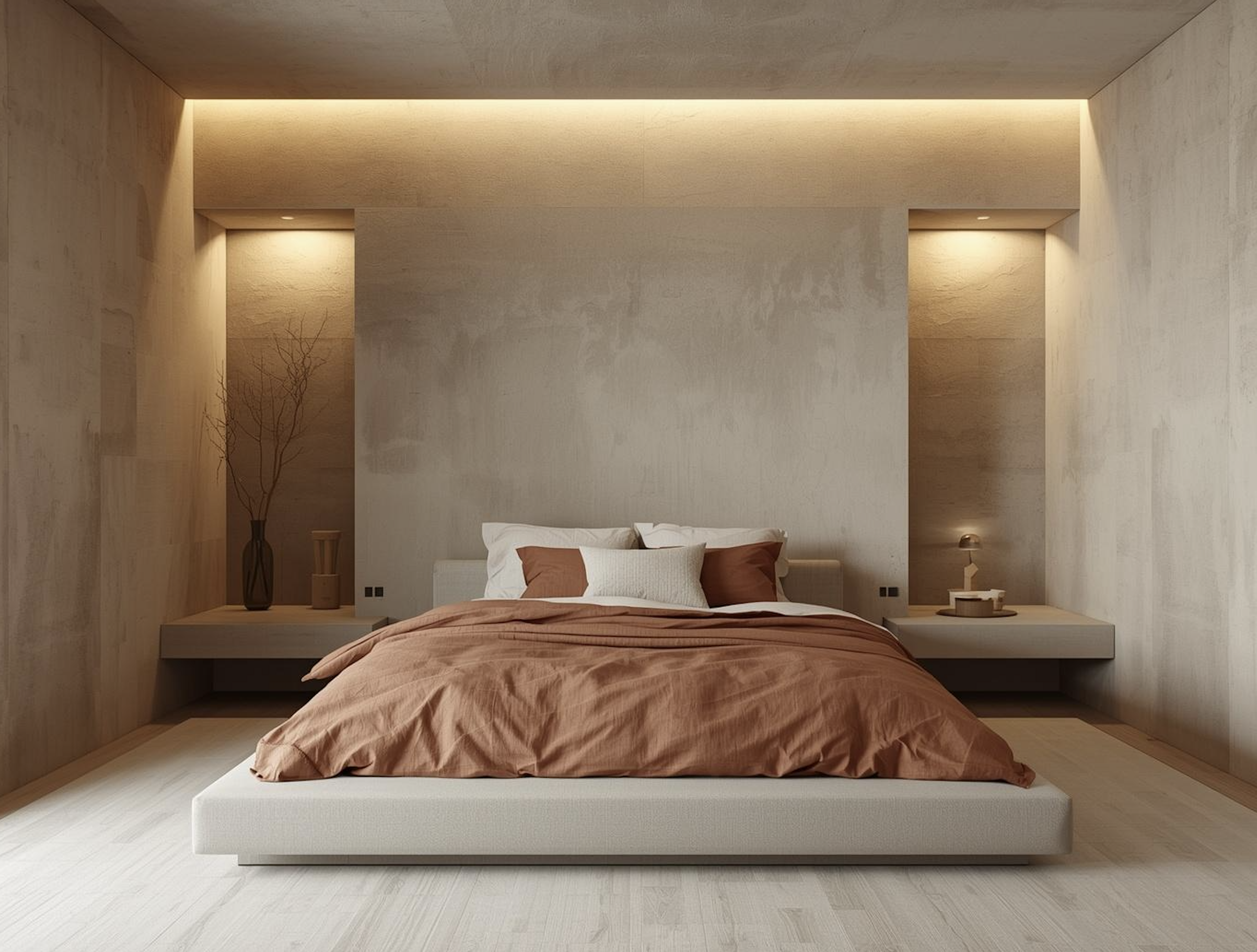
Whether you're redesigning a single room or rethinking your entire home, we specialise in creating interiors that feel both functional and deeply personal.
👉 Book a free discovery call about your project
👉 Explore our room makeover packages from £320
Let’s create a home that feels beautifully imperfect.