Interior Design vs. Space Planning: What’s the Difference?
What is Interior Design?
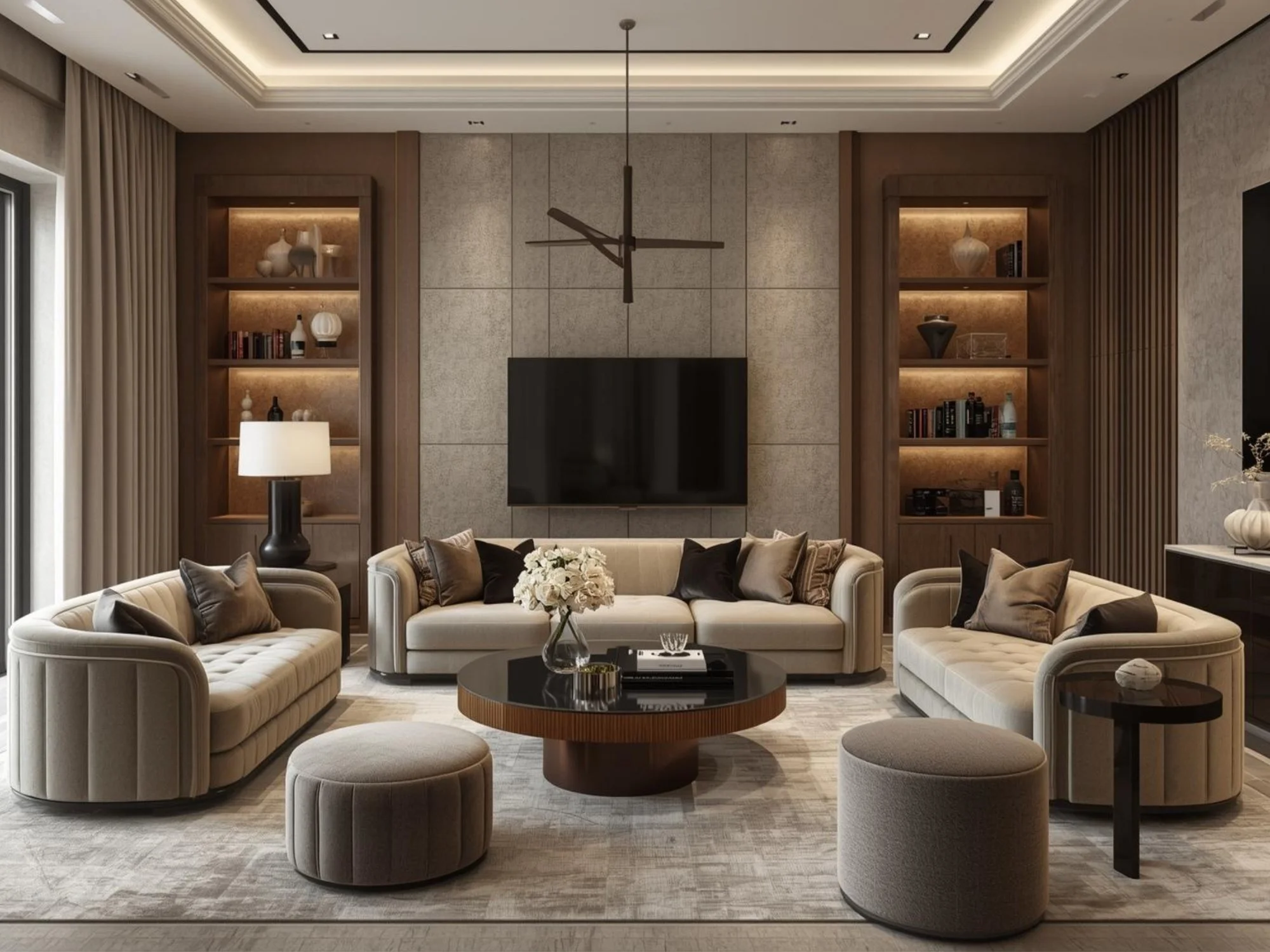
Interior design is the art and science of enhancing the interior of a space to achieve a more aesthetically pleasing and harmonious environment. It’s about more than choosing colours and fabrics - it’s about creating a lifestyle through design.
A skilled interior designer considers:
Aesthetic vision – balancing materials, textures, lighting and furniture.
Functionality – ensuring every design decision improves the way you live.
Mood and emotion – using design to shape how a space makes you feel.
Cohesion – tying together all elements for a seamless flow between rooms.
At Akiva, our design philosophy combines timeless elegance with practical living. Whether we’re designing a minimalist London townhouse or a modern Surrey family home, our interiors reflect both beauty and purpose.
What is Space Planning?
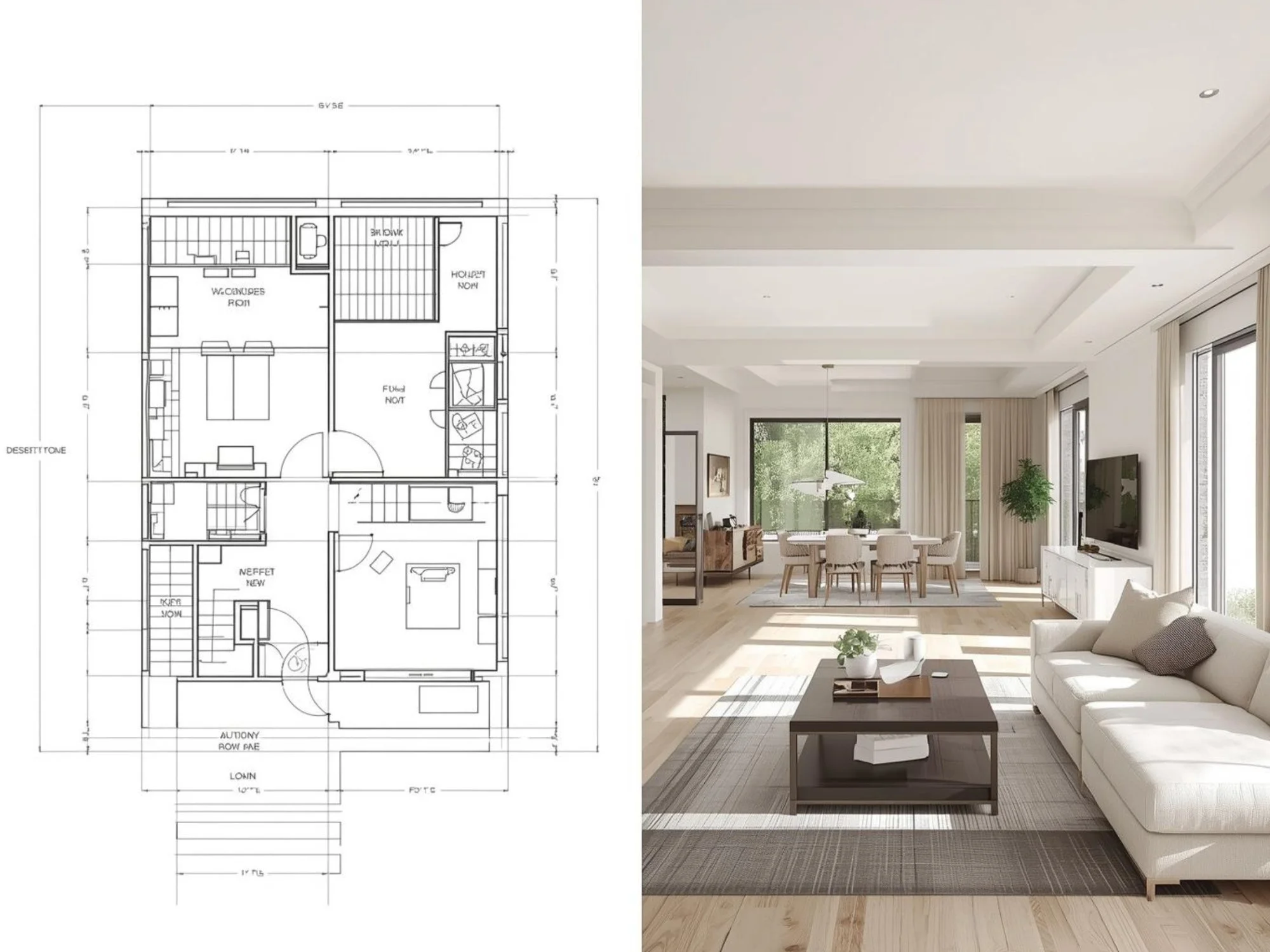
Space planning is the foundation of every successful interior design project. It’s a strategic process that determines how a room — or an entire home — will function best.
Before we even start choosing finishes or furniture, we focus on layout optimisation. This involves:
Assessing room proportions, traffic flow, and natural light.
Determining the best placement for furniture and architectural features.
Ensuring efficient use of space, especially in compact London properties.
Adapting layouts to support lifestyle needs — from open-plan living to home offices or family zones.
In essence, space planning ensures that a home’s design isn’t just beautiful, but smart and liveable.
How They Work Together
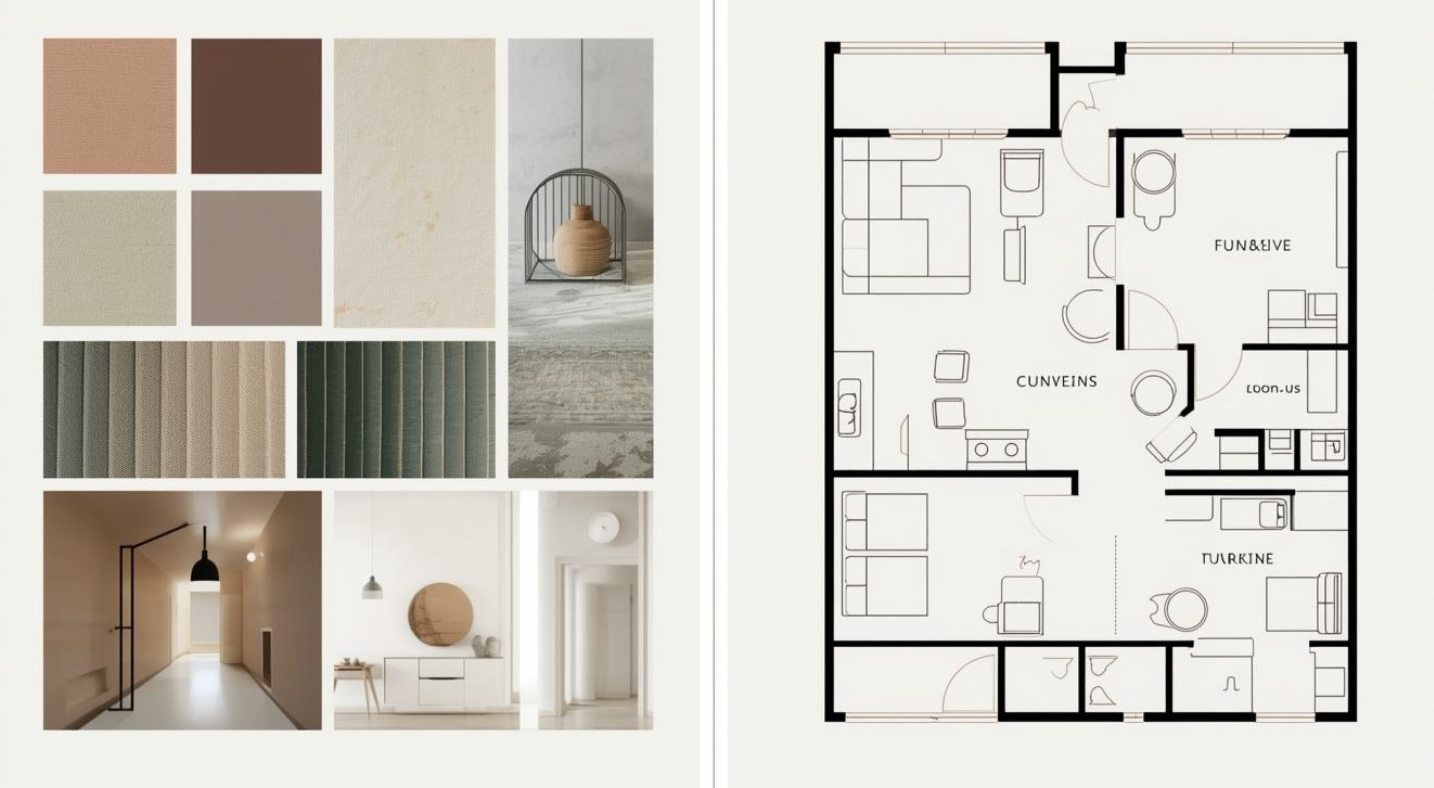
Think of space planning as the blueprint and interior design as the personality layered on top. Without proper space planning, even the most luxurious materials or bespoke furniture can feel misplaced. Conversely, without strong design, even a perfectly planned space can feel cold and incomplete.
At Akiva, we integrate both disciplines seamlessly. Our design process always begins with space planning — evaluating proportions, light and flow — before moving into the creative phase of materials, textures, and finishes. This ensures that every home we design is as functional as it is stunning.
Why It Matters for Homeowners
Understanding this distinction helps homeowners make smarter decisions when starting a renovation or new build project.
If your space feels cluttered, awkward or underused, the problem is likely space planning.
If your home feels bland, mismatched or uninspiring, it may be a design issue.
By approaching both together, you create a cohesive home that enhances your everyday life.
Final Thoughts
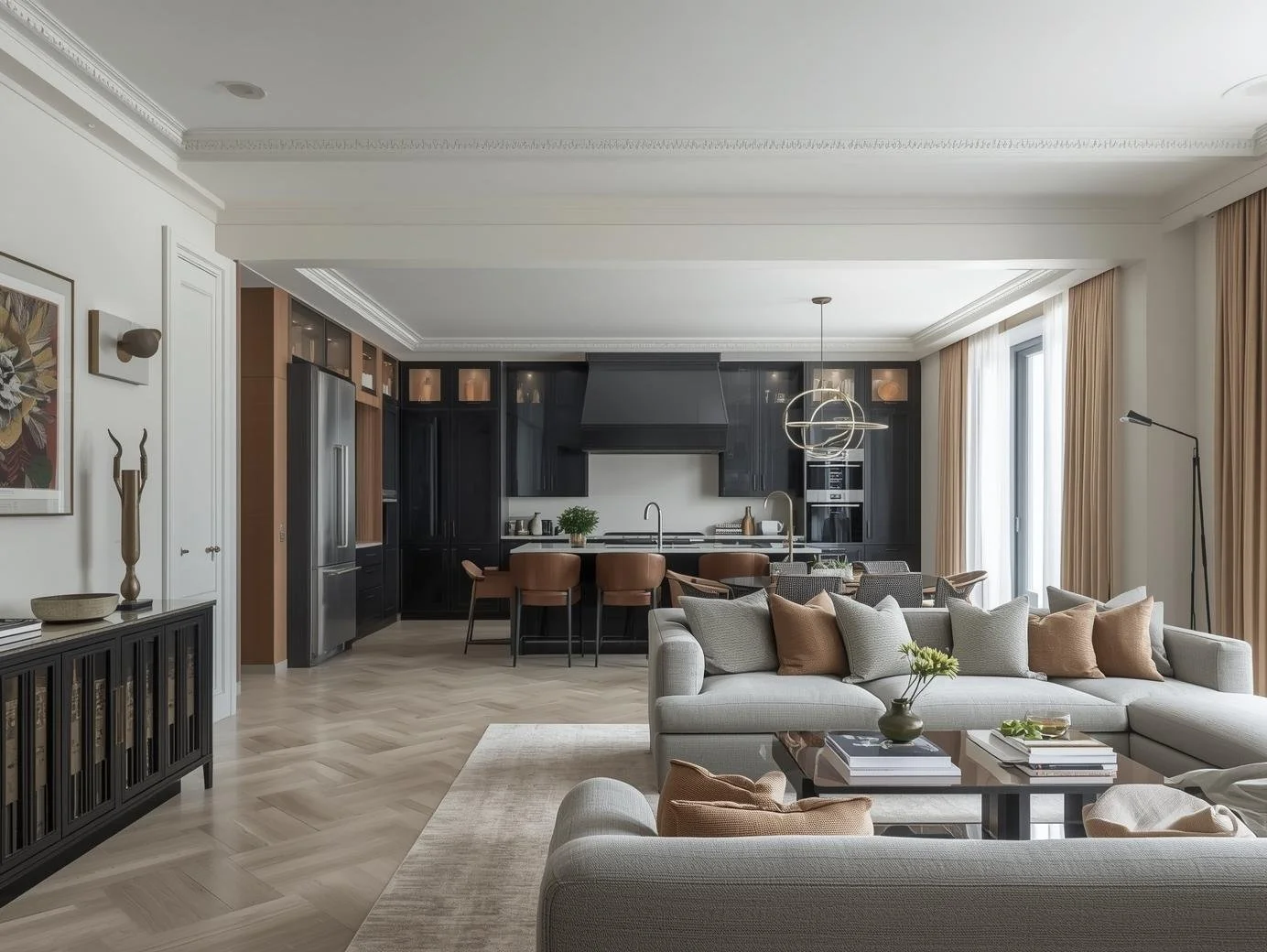
Both interior design and space planning are essential components of thoughtful home transformation. One cannot truly succeed without the other. At Akiva, we believe great design begins with understanding how you live — and crafting spaces that reflect your personal style while maximising comfort and functionality.
If you’re considering redesigning your home, get in touch with our design team to discover how our integrated design and space planning approach can bring your vision to life.