Design & Build vs Hiring an Interior Designer and Builder Separately: What UK Homeowners Need to Know Before Extending Their Home
But here’s what we see time and time again:
Many homeowners only realise later that something important was missing — particularly when it comes to interior detailing, finishes, fabrics, window treatments and overall cohesion.
So what’s really the difference between:
-
Hiring a design and build company
vs -
Hiring an independent interior designer alongside your builder
And which route actually delivers the best long-term result?
Let’s break it down.
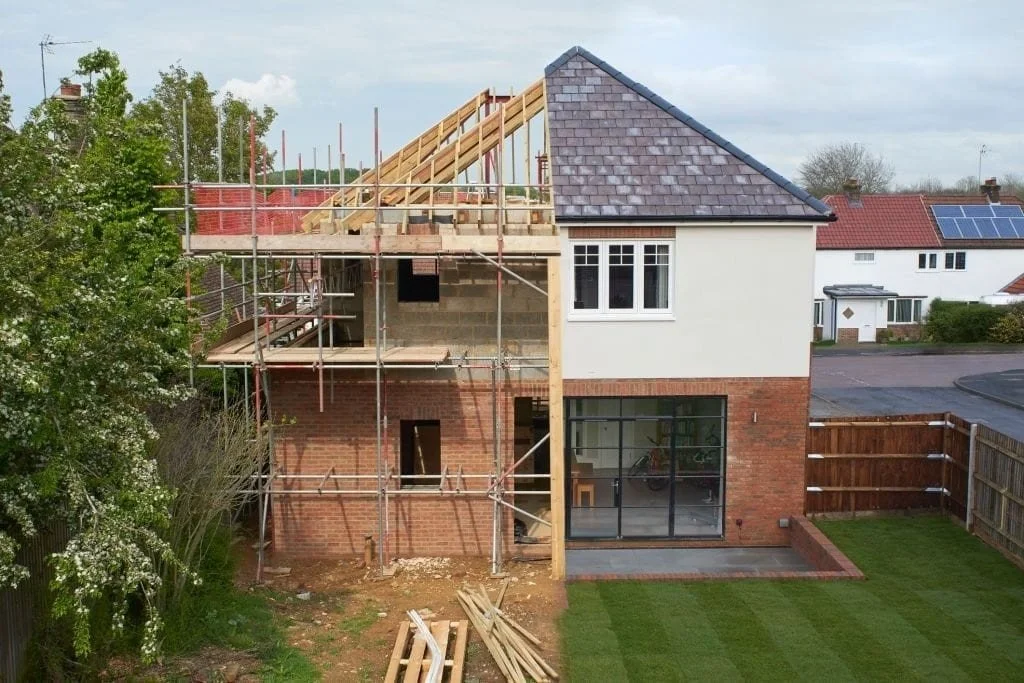
What Is a Design & Build Company?
A design and build firm typically manages:
-
Architectural drawings
-
Planning applications
-
Structural work
-
Construction
-
Basic interior layouts
-
Sometimes a “finishes package”
This route is particularly popular for:
-
Rear extensions
-
Kitchen extensions
-
Double-storey extensions
-
Wraparound extensions
-
Loft conversions
It offers a single contract and one point of contact, something many UK homeowners find reassuring.
The Pros of a Design & Build Team
1. Single Point of Responsibility
One company handles everything — from concept to completion.
2. Streamlined Communication
Less coordination required on your part.
3. Potentially Faster Timelines
When architecture and build are under one roof, project management can move quickly.
4. Budget Visibility (At First)
They often provide a lump sum cost early in the process.
For structural work alone, this can work very well.
The Hidden Downsides of Design & Build
This is where homeowners often feel the gap.
❌ Interiors Are Often Secondary
Most design and build firms prioritise:
-
Structure
-
Compliance
-
Construction efficiency
What’s often missing?
-
Detailed fabric schemes
-
Curtain and blind specifications
-
Layered lighting plans
-
Furniture layouts that optimise flow
-
Styling cohesion
-
Material sampling process
-
Soft furnishings and texture planning
Many firms offer a “finishes package,” but this typically means:
-
Standard paint options
-
Basic tile selections
-
Generic flooring
-
Minimal attention to window treatments
And once the plaster is dry, it’s often too late to adjust for:
-
Bespoke joinery depth
-
Curtain recesses
-
Electrical placement for layered lighting
-
Wall reinforcement for heavy drapery
-
Custom cabinetry proportions
This is where problems surface.
What Happens When Interior Design Is Separated?
Hiring an independent interior designer alongside your builder changes the outcome significantly.
An experienced interior designer will focus on:
-
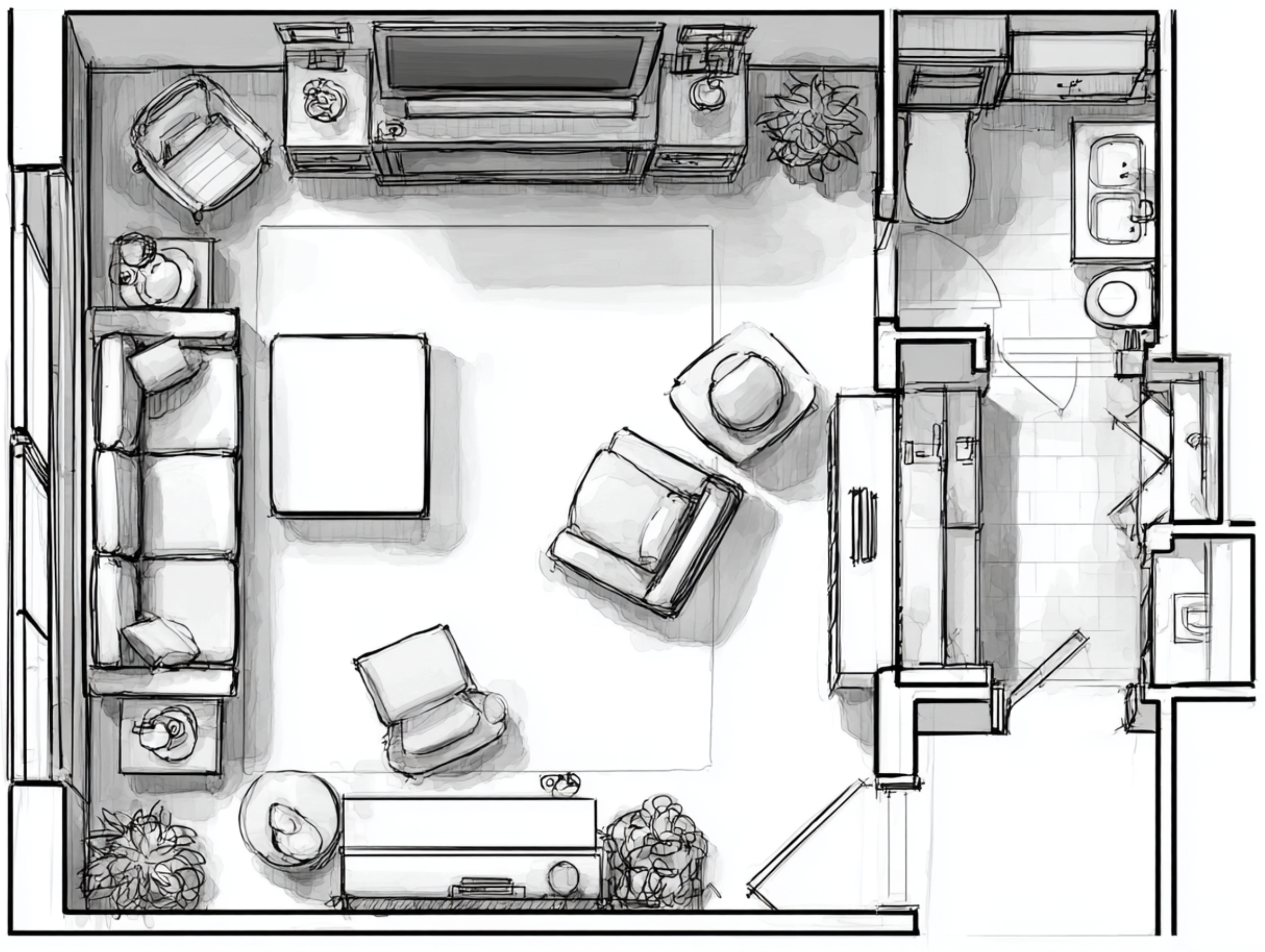
Full space planning before structural decisions are finalised
-
Furniture layout integration
-
Lighting design layering (ambient, task, accent)
-
Fabric sourcing and sampling
-
Curtain headings and track specifications
-
Window treatment depth allowances
-
Bespoke joinery detailing
-
Colour psychology and flow
-
Material cohesion across rooms
Interior design is not decoration.
It’s strategic planning that informs construction decisions.
The Pros of Hiring a Designer & Builder Separately
1. Your Interiors Influence the Build
Instead of choosing finishes at the end, your designer informs:
-
Socket placement
-
Switch positioning
-
Ceiling details
-
Niche sizes
-
Storage proportions
-
Kitchen ergonomics
This prevents expensive post-build changes.
2. Higher-End Finish Quality
You gain access to:
-
Trade-only fabric houses
-
Custom upholstery
-
Proper curtain sampling
-
Bespoke joinery drawings
-
Premium material sourcing
3. Better Long-Term Value
Homes designed holistically often:
-
Photograph better
-
Feel more cohesive
-
Command stronger resale value
-
Avoid costly post-completion upgrades
4. Clear Creative Advocacy
An independent designer represents your aesthetic and lifestyle needs — not construction efficiency.
The Cons of Hiring Separately
To be transparent:
-
You will manage two contracts
-
It may require stronger coordination
-
Upfront design fees are separate from build costs
However, in high-value UK renovation projects, the additional planning often prevents overspending later.
Why Extensions Are Where This Decision Matters Most
In UK home extensions — especially open-plan kitchen extensions — the interior finish makes or breaks the result.
Without early interior input, you risk:
-
Incorrect lighting placement over islands
-
Curtain tracks forgotten until after plastering
-
No recess built for blinds
-
Awkward furniture layouts
-
Standardised finishes that lack personality
This is often why homeowners later say:
“We wish we’d brought in a designer earlier.”
The Middle Ground: Interior Design Consultancy Alongside Design & Build
You don’t always have to choose one over the other.
Many homeowners now opt for:
-
A design & build firm for structural works
-
An independent interior designer for interior specification, styling and final finishes
This hybrid approach often delivers the best of both worlds.
If you're planning a renovation or extension in the UK and want to ensure your finishes, fabrics, sampling and window treatments are thoughtfully integrated from the start, our team specialises in aligning interiors with construction decisions.
You can explore our services at
👉 www.studioakiva.com
Final Thoughts
A design and build company builds the structure.
An interior designer builds how it feels, flows and functions long-term.
The key question isn’t which is cheaper.
It’s which prevents regret.